7 Tips for Sustainable Trip to Southern West Virginia
While we should always practice habits that protect our natural resources, it’s a great time to highlight ways you can keep our wild and wonderful outdoors clean and beautiful during your trip.
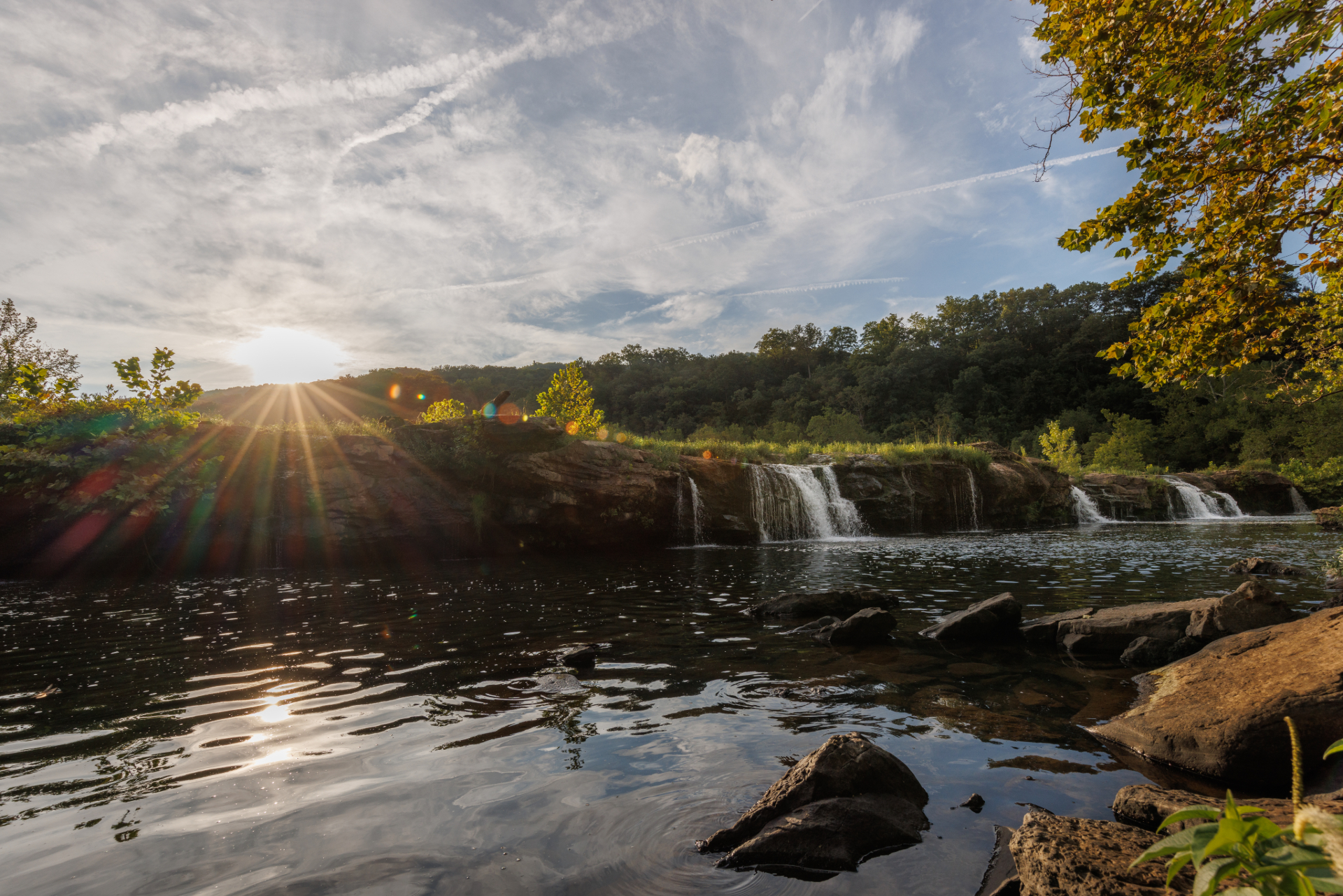
1. Follow Leave No Trace Principles
There are seven guiding principles of Leave No Trace, which serve as a basic rule of thumb for staying safe and respecting the world around you when going outdoors. These include: staying on trail and traveling on durable surfaces so as not to disturb plants or wildlife, keeping a safe distance from wildlife, planning your trip ahead of time and preparing for weather and travel conditions, disposing of waste properly, leaving whatever artifacts, structures and plant life alone, using only fire rings or grills when having a fire outdoors, and respecting others who are also outside. You can dive deeper into these principles here.
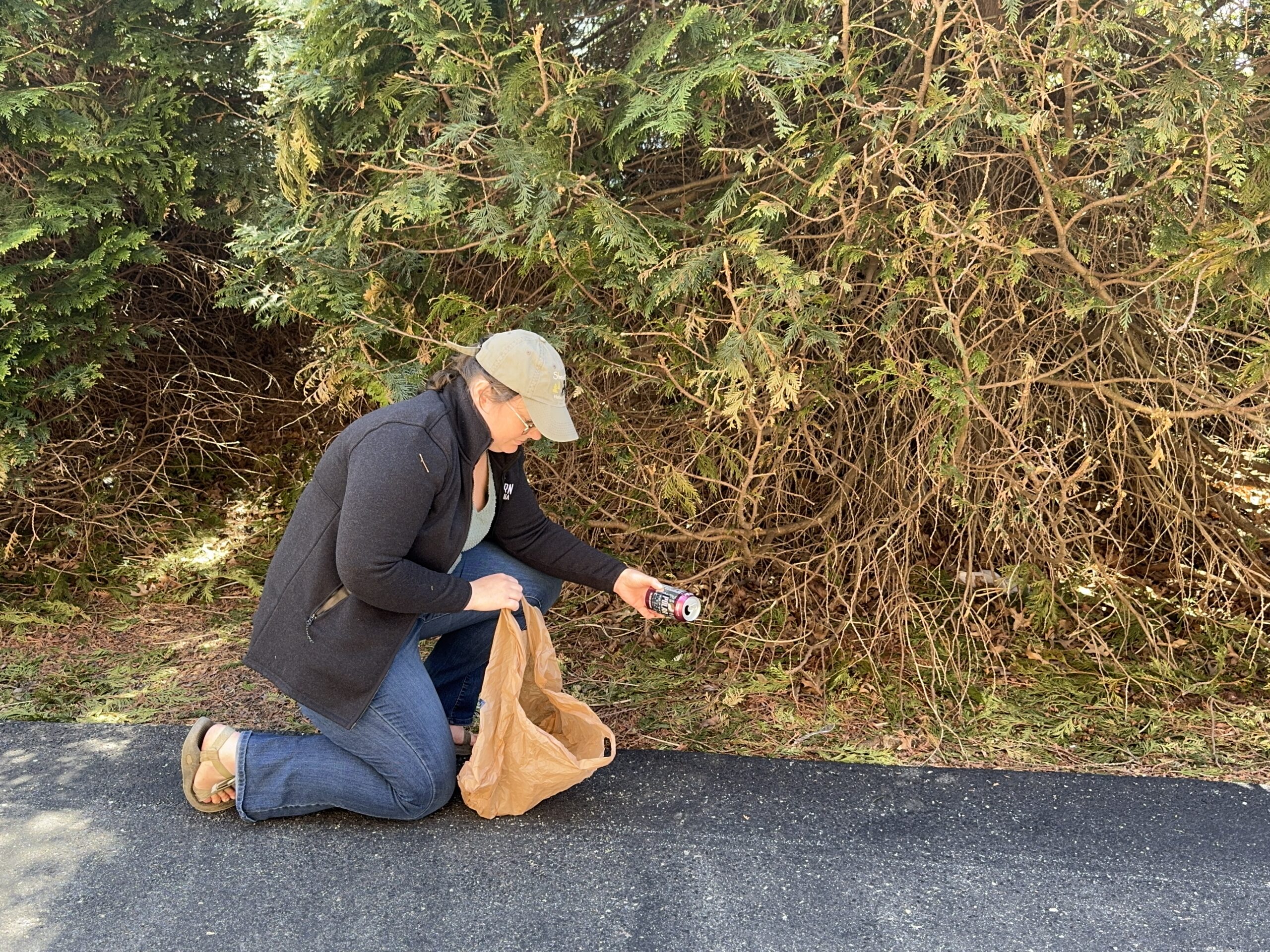
2. Bring a bag on your adventures
While you might be carrying out what you carry in and disposing of waste properly, not everyone will. When you venture outside, bring a bag to pick up any litter you may see along the trail or in the water if you’re paddling.
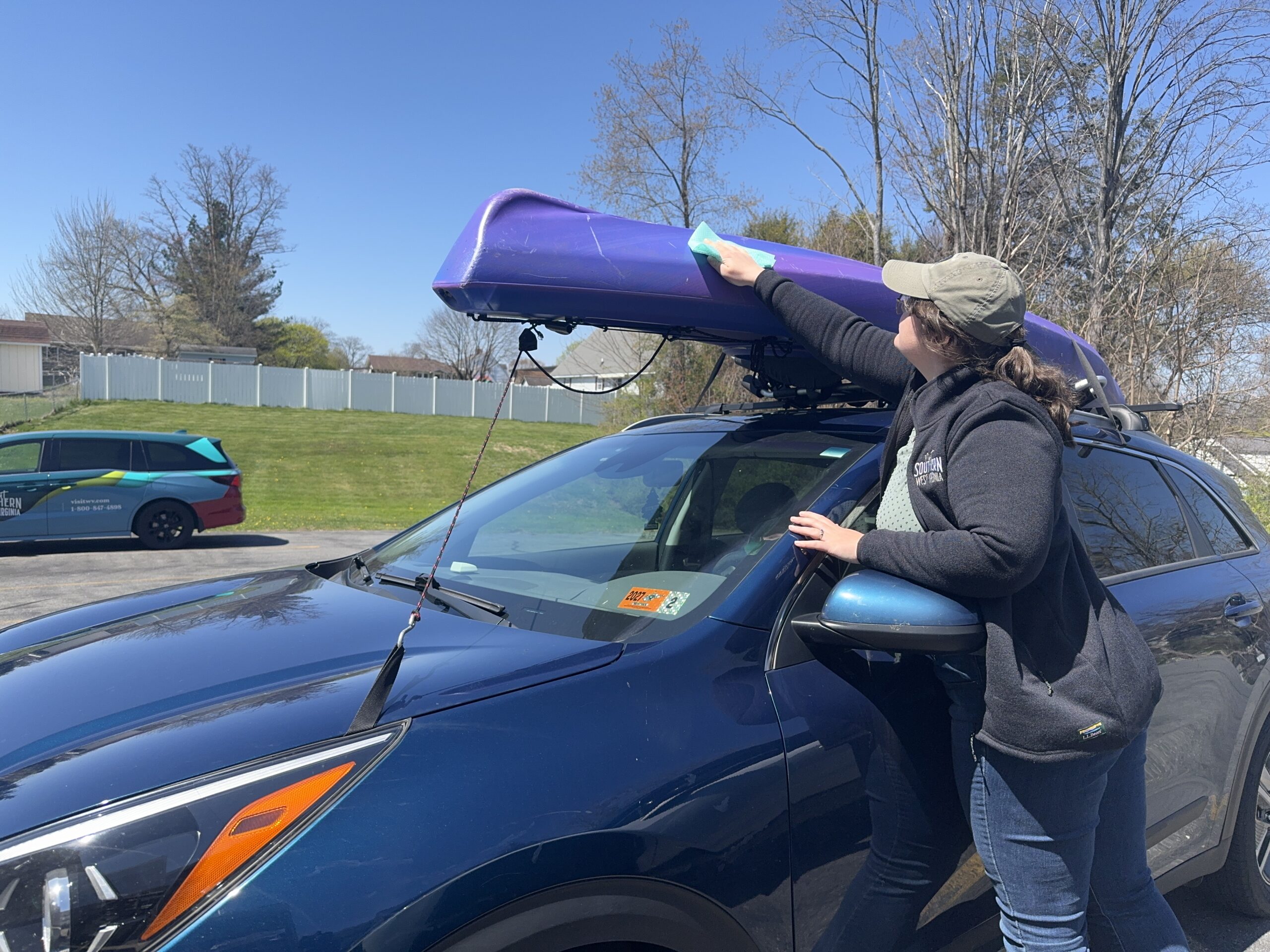
3. Use sprays on durable surfaces and clean your gear
Warm months mean insects. We might find them to be a nuisance, but they play an important role in Southern West Virginia’s ecosystems. They pollinate plants, increasing biodiversity, and serve as a food source for birds, reptiles, and small mammals. So, to help protect insects while they are working and in their homes, apply bug spray in the parking lot before hitting the trail. Also, before hitting a fresh trail or going out on the water, brush off dirt from your gear and wash your boats. This helps prevent the spread of invasive species, organisms that are not from the area and are opportunistic, lack predators, and hoard resources, from spreading. Not all non-native organisms are invasive, but bugs like spotted lantern flies, plants like Japanese knotweed, and zebra mussels hitch rides on travelers.
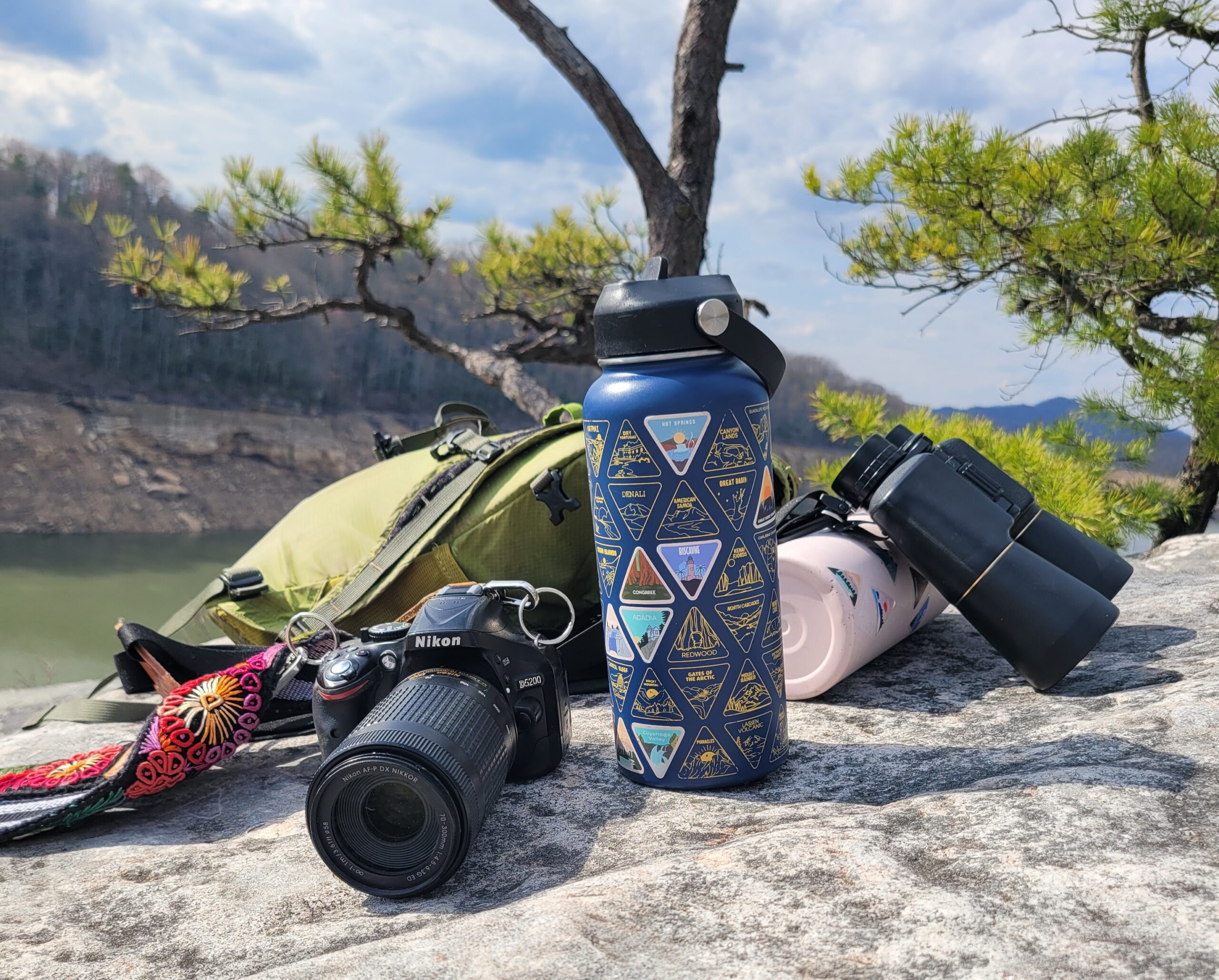
4. Reuse and Reduce
Less than 10% fof the 380 million tons of plastic the world creates gets recycled, and reusing a single-use plastic bottle can be bad for your health. Not only do single-use bottles become havens for bacteria, but their chemicals also leach into the water you drink. Instead, opt for a reusable water bottle. You will find free water-filling stations at visitor centers in both state and national parks. If you’re camping, bring reusable plates and utensils to reduce waste during your stay.
5. Volunteer
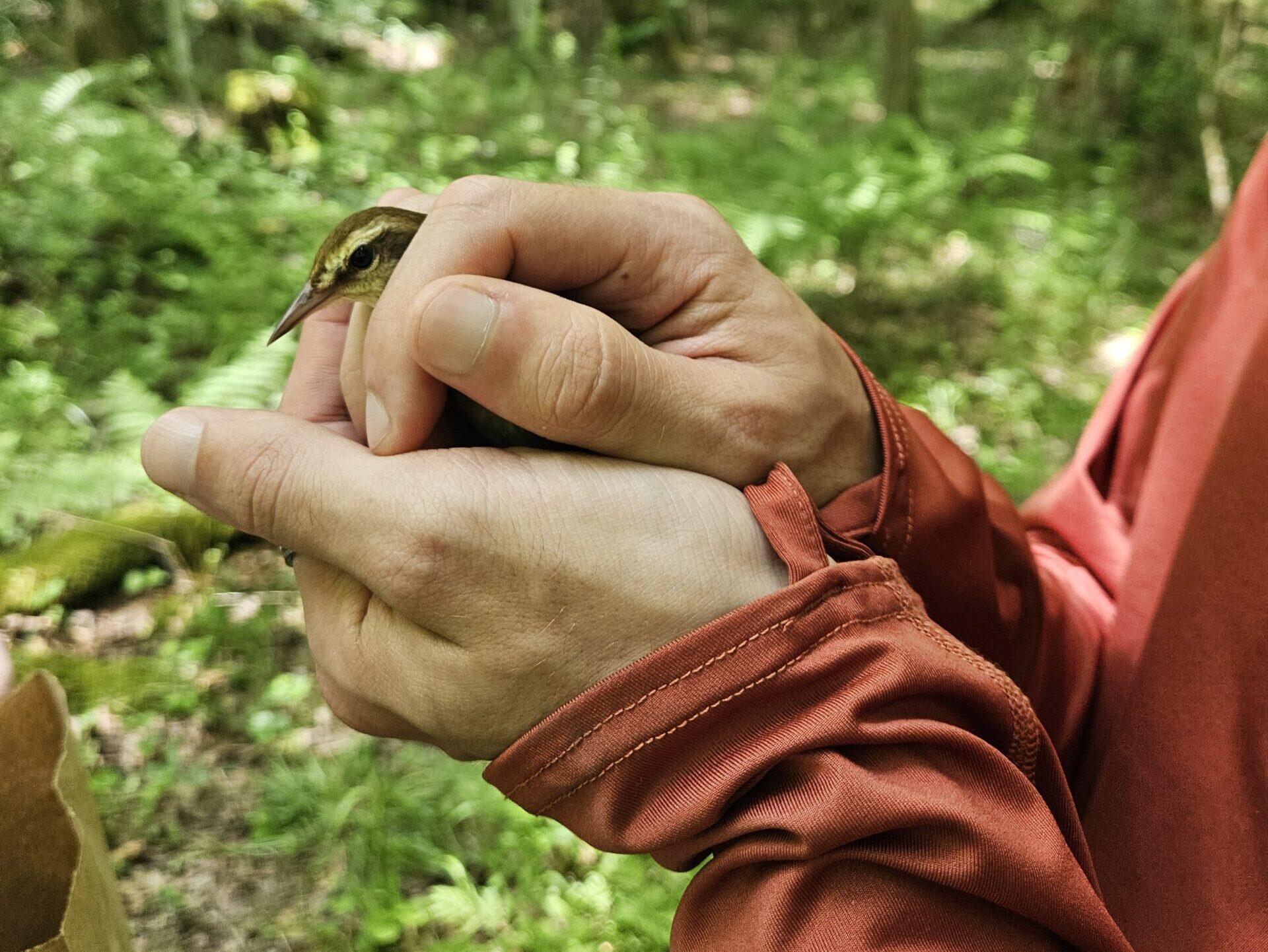
Southern West Virginia is an outdoor destination. The abundance of wild spaces and outdoor recreation has led to a boom in local nonprofits working together to protect our area’s natural resources. Organizations focused on trail cleanups and restoration are Beckley Outdoors, Piney Creek Watershed Association, and West Virginia’s Nature Conservancy. Stream and river quality organizations, such as Plateau Action Network and the New River Conservancy, host water cleanups. If you’re a climber, the New River Alliance of Climbers focuses on sustainable rock climbing in the New River Gorge and surrounding area. This list doesn’t even touch on the state and national parks hosting their own volunteer events, nor does it include events, like the New River Birding and Nature Festival, which recruit volunteers.
6. Join a guided walk or program
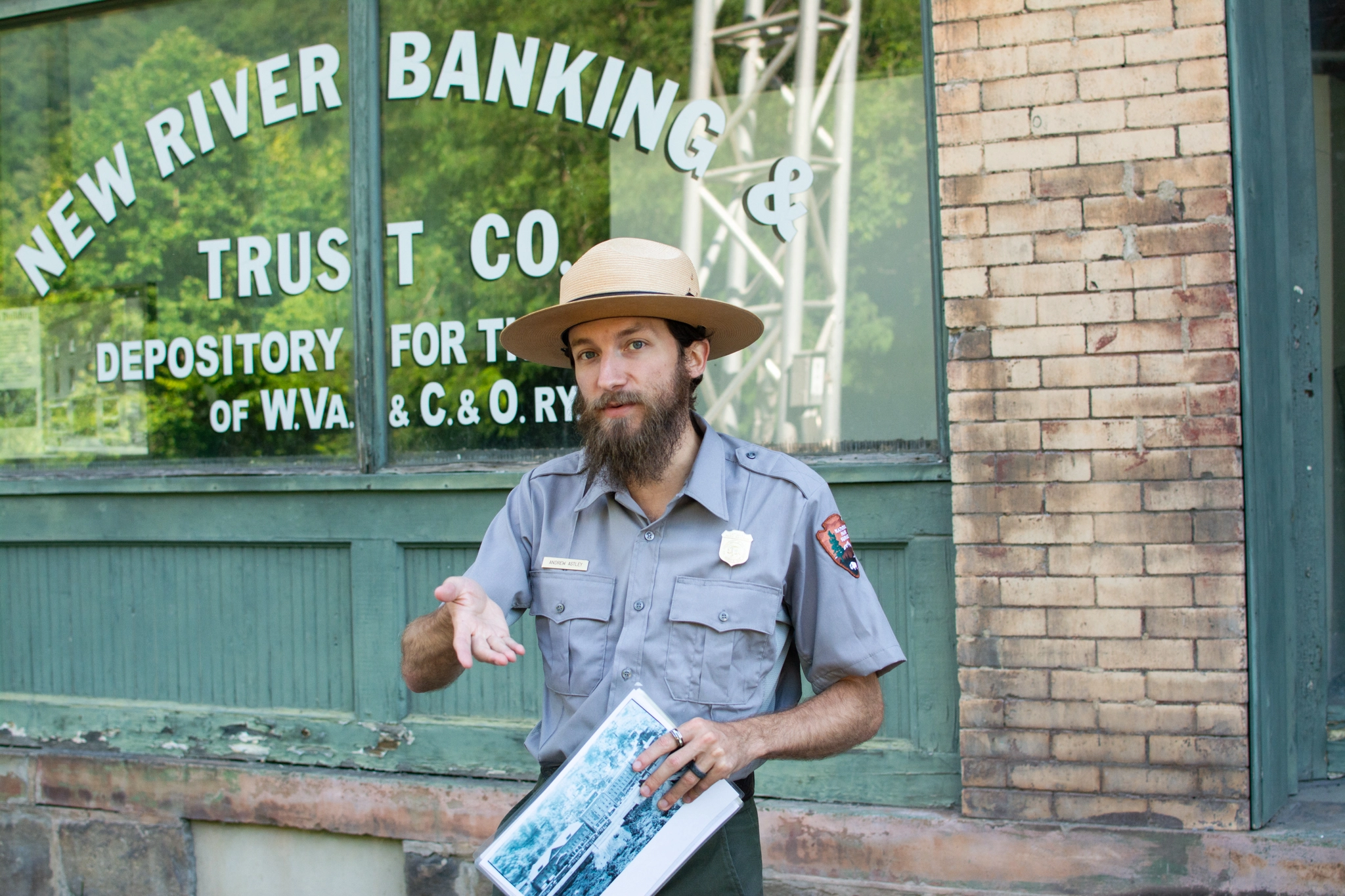
Learning about nature helps you care for it. If you know even just the basics of different species of plants, animals, and insects, then you know how they all connect, which allows you to be more mindful of their presence outdoors. West Virginia State Parks, The New River Gorge National Park and Preserve, West Virginia’s Nature Conservancy, and W.I.L.D. Training Institute hold guided hikes and nature programs throughout Southern West Virginia’s nine-county region. Keep an eye on our calendar for their upcoming events.
7. Snap, Identify and Submit
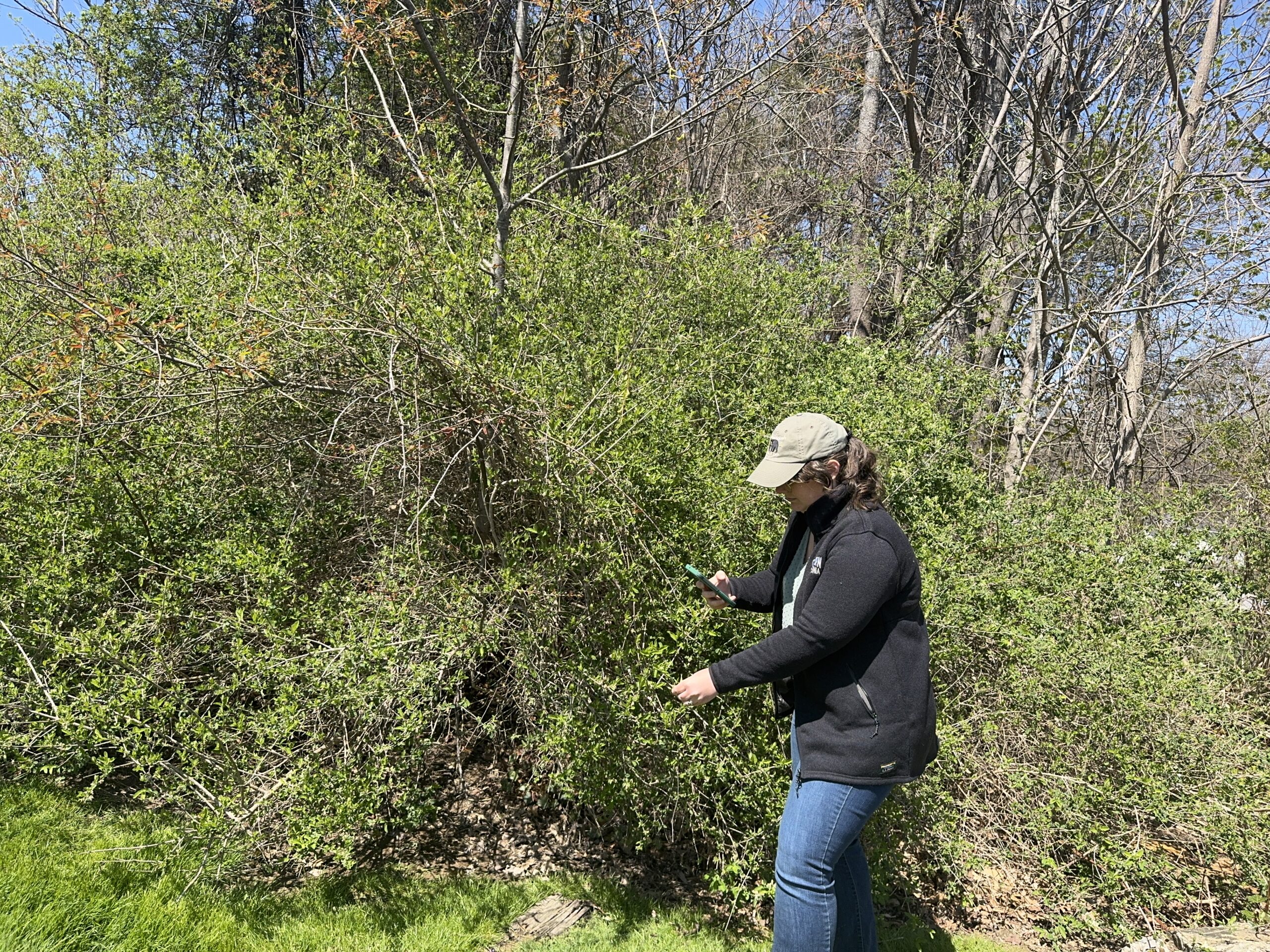
Community science is an important form of science. Researchers aren’t always available to go out into the field to keep track of who is living where and the size of their populations. That’s where everyday people step in. iNaturalist is an app that helps you identify plants, animals, and insects. When you identify something, that information is collected to help scientists catalog who lives where and how many of them are seen—allowing them to track migrations and shifting ranges. There is a sister app called Seek, a gamified version that lets users earn badges as they identify living things. Both work by just snapping a photo on your phone
Bird lovers have a similar data-collection app called eBird, which the Cornell Lab of Ornithology runs. eBird creates a birding checklist that is reviewed and collected to track bird species and their movements. Its sister app, Merlin, helps birders identify birds by their calls and general characteristics.
As a year-round nature escape, it’s important to keep Southern West Virginia vibrant with healthy ecosystems and diverse wildlife. Giving back to the lush landscapes that provide us joy and rest via sustainable travel not only lets us engage more deeply with our surroundings but also enables outdoor recreation for ages to come. Is there a sustainable travel tip we missed, or do you want to share your eco-friendly experience in our area with us? Tag us at #visitwv or @visitwv.
Want to see more from our team? Save our blog as a preferred source in Google